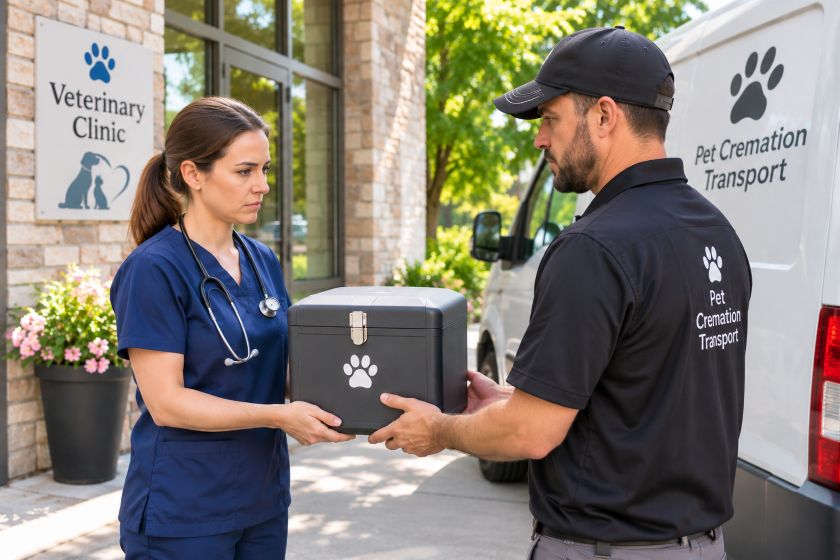
 Losing a beloved pet at a veterinary clinic can leave families facing difficult decisions during an emotional time. Arranging transportation is often one of the first steps in ensuring their companion receives respectful aftercare. When families choose St. Louis, MO pet cremation, coordination between veterinary professionals and pet transportation services helps simplify arrangements, maintain accurate records, and support dignified handling. Understanding how this process works can reassure families when they need compassionate assistance.
We recognize that every pet deserves careful attention from the moment aftercare arrangements begin. At Heartland Pet Cremation, we understand how important communication is among veterinary clinics, transportation professionals, and families. Through organized scheduling and clear instructions, we help families navigate the next steps while respecting their wishes and their companion’s memory.
How Veterinary Clinics Arrange Pet Transportation
Veterinary clinics often serve as the first point of contact when families need help after a pet’s passing. Clinic staff may explain available aftercare arrangements and help coordinate transportation with the family’s chosen provider.
We believe clear communication is essential to prevent confusion and ensure everyone understands the requested services.
The Coordination Process Generally Involves Several Important Steps:
- Confirming family authorization: Veterinary staff verifies that the appropriate person has approved the transportation arrangements.
- Collecting essential information: The clinic records the pet’s name, identifying details, and relevant family contact information.
- Contacting the transportation provider: Staff communicate the pickup location and any handling instructions.
- Coordinating pickup availability: Both parties agree on a suitable pickup time.
- Preparing for transfer: The clinic follows its procedures for maintaining respectful care until transportation arrives.
We recommend asking the veterinary clinic who will arrange transportation and whether the family needs to contact the aftercare provider directly.
Understanding these responsibilities helps families avoid unnecessary delays or repeated conversations during an already stressful experience.
Maintaining Accurate Records During Transfers
Accurate documentation helps ensure that every pet remains correctly identified throughout transportation and professional aftercare. We believe reliable recordkeeping is especially important when responsibility transfers between separate organizations.
Veterinary clinics and transportation professionals may use identification labels, intake forms, and written instructions to maintain continuity.
Important Information Generally Includes:
- Pet identification: Name and other identifying characteristics.
- Family contact details: Information connecting the pet with the authorized representative.
- Requested arrangements: Confirmation of the selected aftercare service.
- Transfer documentation: Records identifying when responsibility changes.
- Special instructions: Any relevant handling or memorial preferences.
We encourage families to understand the pet aftercare intake process because accurate information at the beginning supports smoother coordination throughout subsequent arrangements.
We also recommend confirming that the veterinary clinic has the correct spelling of names and current contact information.
Although procedures vary among providers, consistent verification helps reduce administrative errors and supports accountability.
When each professional understands their responsibilities, families can feel more confident that their companion’s arrangements are being handled carefully.
Ensuring Respectful Transportation and Handling
Transportation involves more than moving a pet between locations. We believe it represents an important responsibility that requires dignity, preparation, and professional attention.
A reliable transportation process should support appropriate handling while maintaining clear identification and communication.
When Coordinating Professional Pet Cremation Services, Families May Want to Understand Several Essential Handling Practices:
- Respectful collection: Transfer pets with care and consideration.
- Identification verification: Check information against the clinic’s documentation.
- Appropriate transportation conditions: Vehicles and handling procedures should support sanitary, dignified care.
- Organized scheduling: Communicate collection arrangements clearly.
- Careful transfer procedures: Receiving staff should confirm the information accompanying each pet.
We encourage families to ask how transportation is arranged and whether their veterinary clinic coordinates directly with the cremation provider.
These questions can clarify responsibilities and help prevent misunderstandings.
Professional transportation should also respect the emotional circumstances surrounding a pet’s passing.
We believe compassionate communication matters just as much as operational efficiency, especially when families are making arrangements under difficult circumstances.
Supporting Communication Between Clinics and Families
Clear communication between veterinary clinics and transportation providers helps families understand what happens after their pet enters professional care. We believe this coordination should reduce uncertainty rather than create additional responsibilities for grieving pet owners.
Veterinary professionals can help communicate important information, while aftercare providers explain the next steps in the cremation process.
Families Should Receive Clear Answers to Common Questions, Including:
- Who arranges pickup? Confirm whether the veterinary clinic or family contacts the transportation provider.
- When will transportation occur? Ask about scheduling and expected collection arrangements.
- Who handles authorization? Understand which documents or approvals are required.
- How are updates provided? Identify the appropriate contact for questions about arrangements.
- Where will cremated remains be returned? Confirm the designated collection location or return procedure.
We recommend keeping communication straightforward and, whenever possible, documenting important preferences.
Families may also want to designate one person to coordinate arrangements, particularly when several relatives are involved in decision-making.
We recognize that emotional circumstances can make information difficult to remember. Written confirmation can help families review important details without repeatedly discussing their loss.
Thoughtful communication allows veterinary teams and aftercare professionals to coordinate responsibilities while giving families the space they need to grieve.
Helping Families Prepare for Transportation
Preparing for transportation can feel overwhelming, especially when a pet passes unexpectedly. We believe families deserve clear guidance on what information they may need and which decisions can wait.
Veterinary clinics can help with immediate arrangements, while transportation providers can clarify collection procedures and next steps.
Before Transportation is Scheduled, We Recommend Considering Several Practical Details:
- Confirm the selected provider: Make sure the veterinary clinic knows which aftercare service the family prefers.
- Review personal belongings: Ask whether the pet should bring collars, blankets, or other items.
- Discuss memorial wishes: Communicate any preferences regarding paw prints, keepsakes, or cremated remains.
- Verify contact information: Provide a reliable phone number for updates on arrangements.
- Request clear instructions: Ask what happens after the pet leaves the veterinary clinic.
 We also encourage families to take time when considering memorial options that don’t require immediate decisions.
Transportation arrangements should support respectful care without creating unnecessary pressure.
We understand that a compassionate approach involves both practical assistance and emotional sensitivity. When veterinary clinics and transportation professionals communicate effectively, families can focus on remembering their beloved companions rather than managing complicated logistics.
Coordinating pet transportation with veterinary clinics requires careful communication, accurate documentation, and respectful handling. We believe these responsibilities help protect each companion’s dignity while reassuring families during difficult moments. At Heartland Pet Cremation, we understand the importance of dependable coordination and compassionate assistance throughout the aftercare process. Our pet aftercare arrangements help families take the next steps with clear guidance and thoughtful support. Whether you need transportation from a veterinary clinic or another approved location, understanding the process can make difficult decisions easier. If you’re considering St. Louis, MO pet cremation, contact our caring team. Call us for expert guidance and let us help coordinate respectful transportation and dignified final care for your cherished companion.